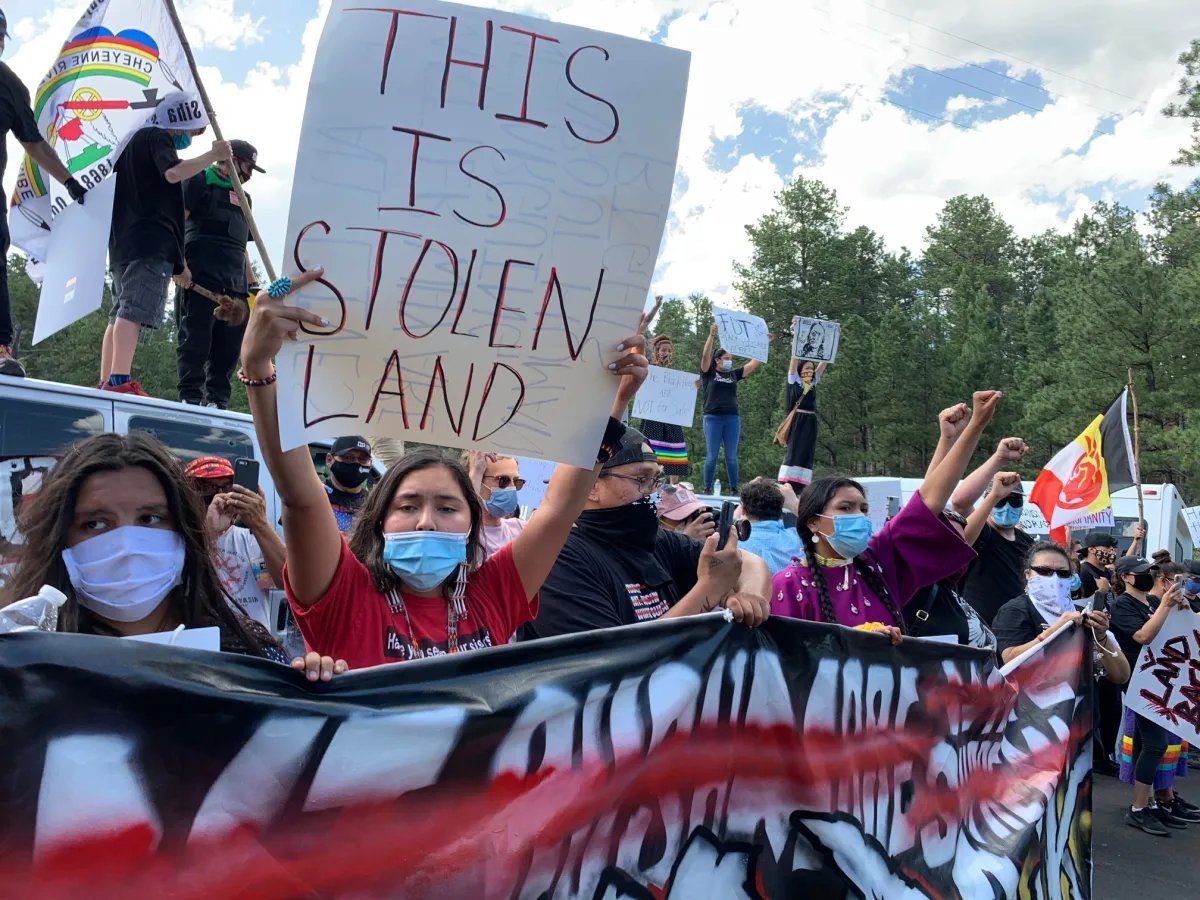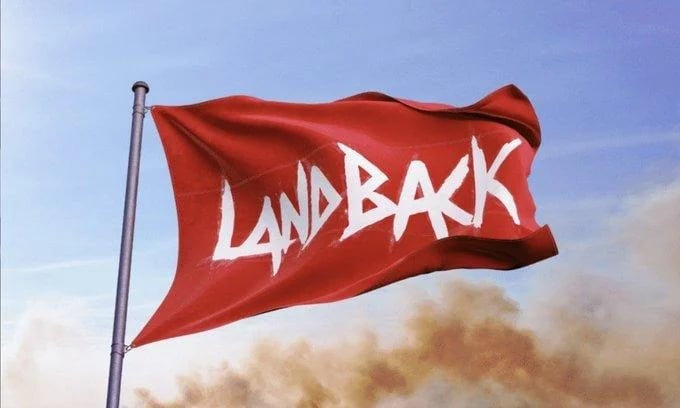
LandBack isn't just a hashtag, but has grown into something much bigger. Indigenous communities across the country are working to get their ancestral lands back. When they do, they're protecting their culture, their rights, and their way of life. This project takes a closer look at what LandBack actually means and why it matters right now.
Explore this academic project
LandBack is a movement led by Indigenous people, and it's about getting ancestral lands back into Native hands. It's way more than just a trendy hashtag. It's a serious push for decolonization that looks at land, sovereignty, and justice all together.
Here's the thing: North America wasn't really "settled" like the old stories say. Indigenous peoples have never lost their connection to these lands, even when they were taken away. Those connections go back thousands and thousands of years.
LandBack shows up in different ways. Sometimes it's legal land returns. Sometimes tribes buy land back. Sometimes sacred sites get protected. The goal is always the same though: Indigenous people having real control over their ancestral territories again.
"LandBack is not just about returning land—it's about returning power, sovereignty, and the relationship between people and place."
— Indigenous-led advocacy
This project makes the case that LandBack is about real action, not just recognition. It's not just symbolic gestures or empty promises. Land is actually going back to Indigenous hands, through legal channels, political work, and community organizing.
You see it happening all over. Tribes buying land back, federal agencies transferring land, sacred sites getting protected, Indigenous-led conservation projects taking off. None of this is random. It all adds up to something that really does challenge how settler-colonial society is set up.
Decolonization gets dismissed all the time as this abstract, impossible thing. LandBack shows that's just not true. Returning land isn't just the right thing to do. It actually works, it's happening, and it's building momentum.
This project connects the #LandBack movement to major AIS course themes, including Indigenous sovereignty, land dispossession, resistance, resource control, and anti-colonial justice.
I use LaNada WarJack's writing to connect #LandBack to Indigenous activism and resistance. I use Patrick Wolfe's theory of settler colonialism to explain why land dispossession is not only history, but an ongoing structure. I use Tuck and Yang's argument that "decolonization is not a metaphor" to show why #LandBack requires real land return and material change, not only symbolic support.
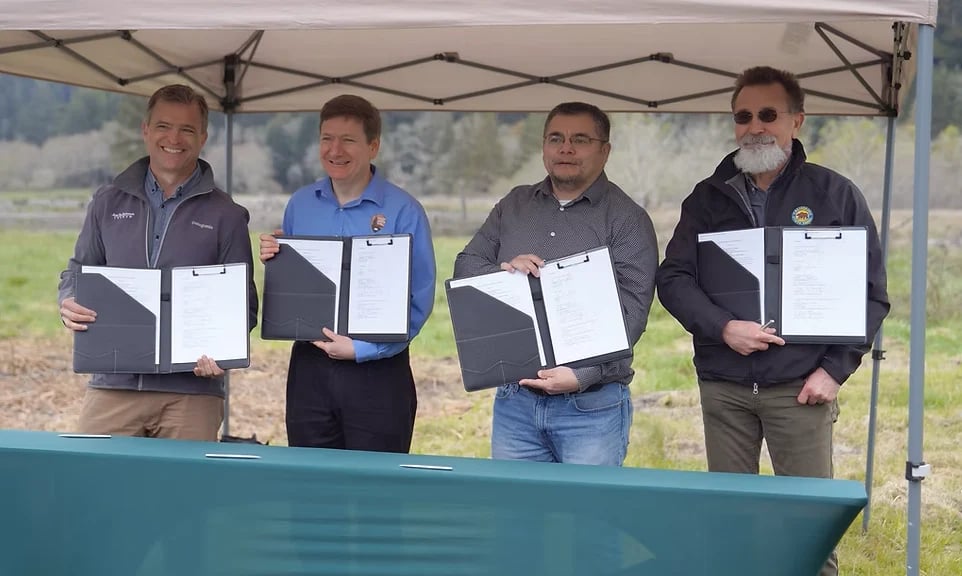
A look at how the Yurok Tribe got a big piece of their ancestral land back along the Klamath River in 2024
'O Rew (also called Blue Creek) sits right along the Klamath River in Northern California. Getting this land back was a big deal for restoring river habitat and bringing it back under Yurok care.
It took years of pushing and organizing, but in 2024 it finally happened. The Yurok Tribe worked together with federal agencies and conservation groups to make it real.
This wasn't just about land. It brought back sacred sites, traditional fishing grounds, and gave the Yurok people real power to manage their ancestral territory again.
Check out these pages to learn more about the LandBack movement and why it matters
Where LandBack came from, what it's trying to do, and how it's taking on settler-colonial systems.
The story of the Yurok Tribe and how they got 'O Rew back along the Klamath River in 2024.
The reasons why giving land back to Indigenous peoples makes sense, for the environment, for culture, and for justice.
Sources, further reading, and ways to connect with Indigenous-led groups doing this work right now.
Learn more about the movement, check out the case study, and see how Indigenous communities are getting their land back.