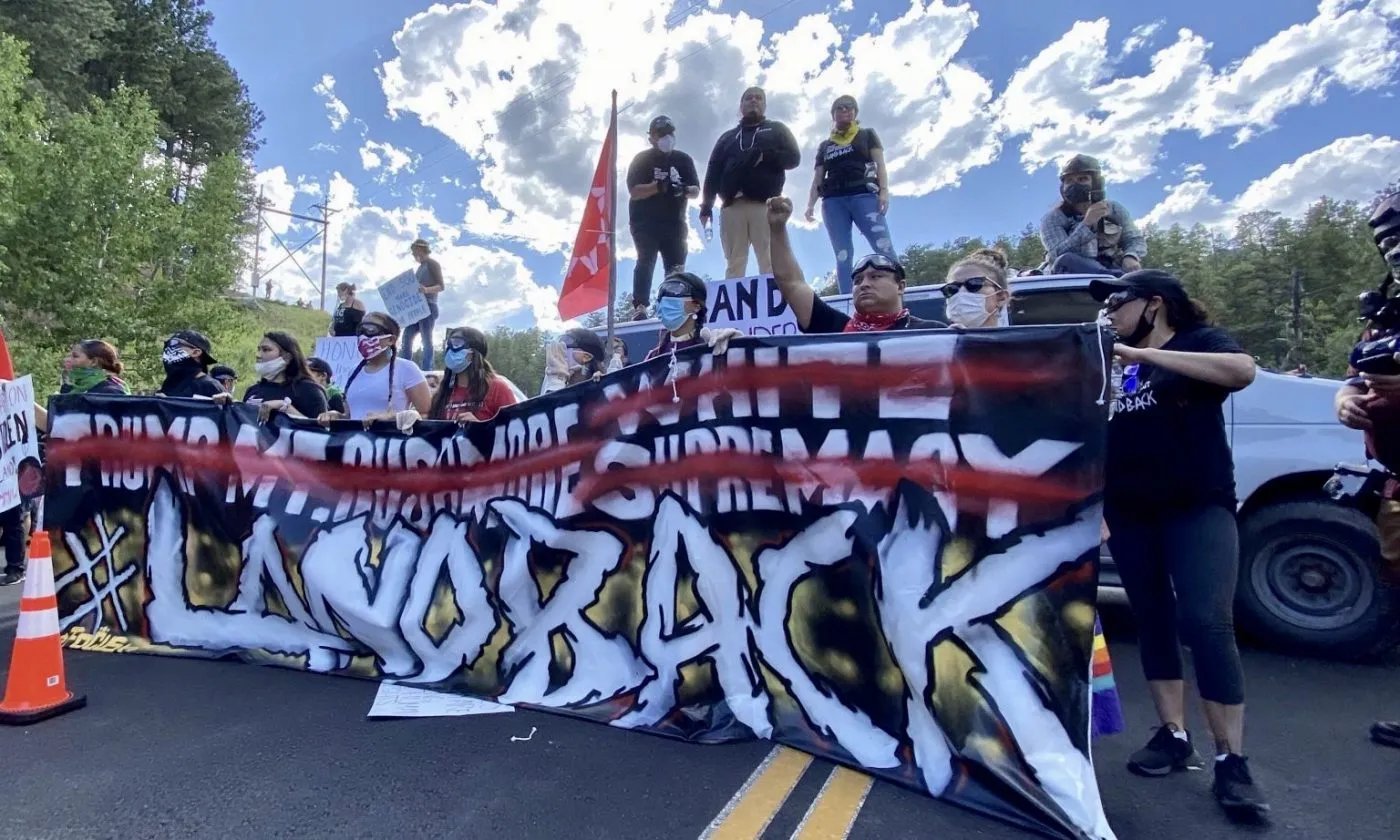
Modern Impact
Why LandBack
Why LandBack
Challenges the System
How giving land back to Indigenous communities shakes up the whole system.
How giving land back to Indigenous communities shakes up the whole system.
Most of us learned about colonization in school as something that happened a long time ago, a problem that got solved once the "New World" was settled. But scholar Patrick Wolfe argued that this whole way of thinking about it is just wrong.
Wolfe said settler colonialism isn't really an event at all. It's more like a system that's still running. The stuff that got set up during colonization includes laws, how the economy works, and the way we think about things. All of that is still happening today, and it keeps regenerating itself.
Here's a way to think about it: when you cut down a tree, the stump stays. But settler colonialism is more like roots. Even if you can't see the original tree anymore, the roots are still down there spreading, sending up new shoots wherever you haven't actively pulled them out.
"Settler colonialism is not a past event. It is a continuing system that requires continuous resistance."
That's why LandBack matters. It's not just about making up for past wrongs. It's about actively taking apart a system that's still operating.
Land ownership is one of the central issues in #LandBack because land is connected to power. The movement challenges systems where land that once belonged to Indigenous nations is now controlled by federal agencies, state governments, private owners, or corporations.
The United States was built on this idea that land is private property, you can buy it, sell it, pass it down to your kids. This system feels so normal to us that it's hard to even imagine anything different. But it's actually pretty recent in human history. And it was built on taking land from Indigenous peoples.
When LandBack gives land back to tribal nations, it challenges this whole system in a few ways:
of U.S. land is in private or government hands
is held in trust for tribes
years of Indigenous land stewardship
Resource control matters because land is connected to water, forests, minerals, wildlife, food systems, and sacred places. #LandBack argues that Indigenous communities should have authority over the resources connected to their homelands.
When outside actors control land, they often extract resources without regard for Indigenous communities or ecosystems. Mining, drilling, logging, and industrial development can destroy sacred sites, pollute water, and disrupt traditional food systems. #LandBack challenges this by putting decisions about land and resources back in Indigenous hands.
Sovereignty means more than cultural recognition. It means political authority and decision-making power. In the context of #LandBack, sovereignty means Native nations should have real authority over land, development, environmental protection, and community futures.
Land isn't just property, it's power. In the United States, whoever controls the land controls the resources, the tax base, the ability to make decisions. When tribes control more land, they have more political power.
But it goes deeper than just economics. Indigenous sovereignty is based on a different premise than American democracy. Tribal governments were around before the United States existed, and they didn't get their authority from America. When tribes get land back, they're not just gaining territory. They're exercising a form of governance that existed before American authority and exists alongside it.
With ownership of 'O Rew, the Yurok Tribe can block development that would hurt salmon habitat, hold traditional ceremonies that need access to sacred sites, and manage the land according to their own values. All without needing approval from non-Indigenous governments.
#LandBack is also connected to environmental stewardship because many Indigenous communities have long-standing knowledge systems about caring for land, water, plants, animals, and ecosystems. Returning land and decision-making power can support more responsible relationships with the environment.
Here's something that surprises a lot of people: land that's managed by Indigenous communities usually has better environmental outcomes than land managed by other owners. And this isn't some coincidence.
Indigenous peoples have been on this continent for thousands and thousands of years, and they've developed really sophisticated ecological knowledge along the way. Things like controlled burning, seasonal harvesting, and other management techniques kept ecosystems healthy way before Europeans showed up. This knowledge isn't primitive. It's the result of millennia of figuring out how to live sustainably in these specific places.
When land goes back to Indigenous management, this knowledge gets put to work. The results are pretty clear:
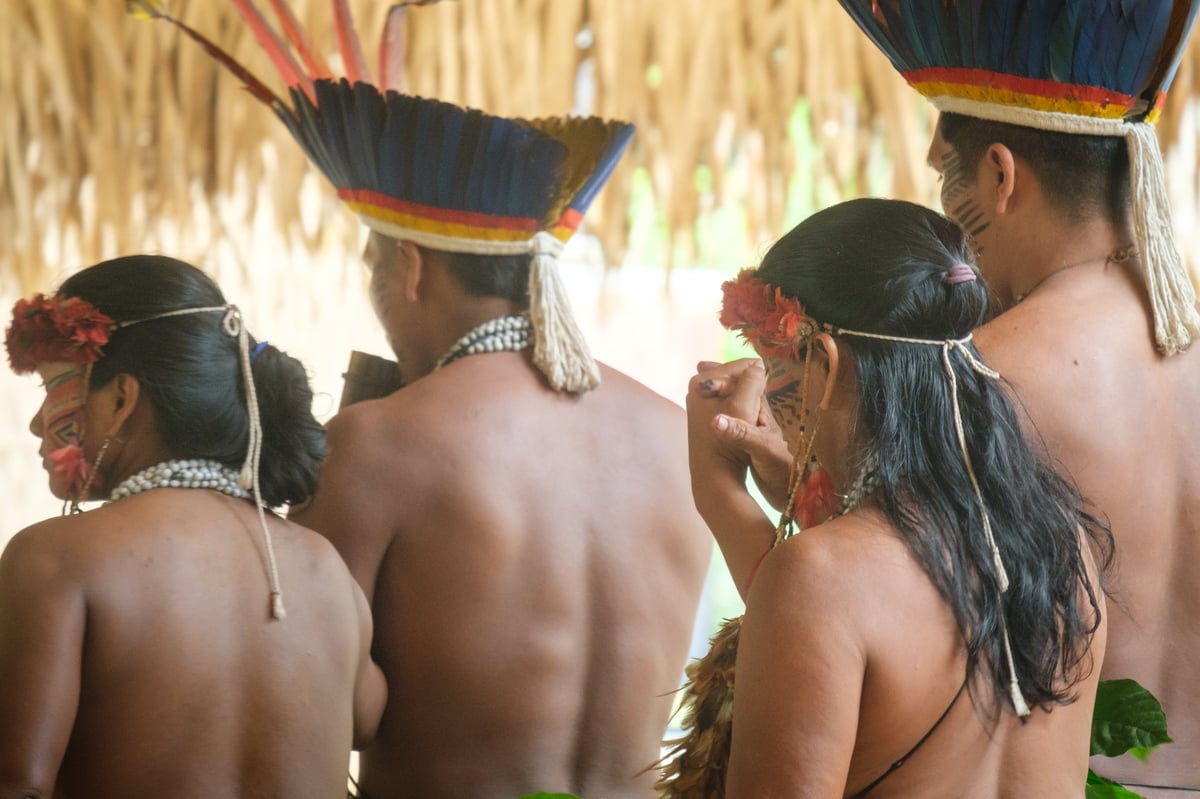
Indigenous land stewardship offers solutions to modern environmental challenges
You might be wondering: why should non-Indigenous people care about LandBack? Isn't this really just a Native community thing?
The answer is no. Here's why.
The systems that push Indigenous peoples off their land end up hurting everyone else too. That same extractive economy that removes tribes from their lands is also causing climate change, polluting water, and running down natural resources. The whole idea that land should be used for maximum profit is the same thinking that's wrecking the environment.
Pushing back against this system doesn't mean taking something away from non-Indigenous people. It means building a different relationship with the land. One where we take care of it instead of just extracting from it, where rights matter more than ownership, where justice wins over conquest.
LandBack isn't just about giving property back. It's about recognizing that the land itself has been hurt by the same systems that pushed Indigenous peoples off it. Fixing those systems helps everyone, including the non-Indigenous communities that live in this country too.
The return of 'O Rew is one success story. But it's really just the start. There's still a ton of work to do. There's a whole lot of land that's still in the wrong hands.
Some of the ways to help:
Remember: settler colonialism is still an ongoing system, which means it needs ongoing resistance. Every land return, every policy win, every person who learns about this history adds up. The system can be changed because humans created it in the first place. And humans can choose to create something different.
Patrick Wolfe's theory helps explain why these modern issues are structural. If settler colonialism continues through land ownership and control, then #LandBack directly challenges that structure. The movement is not only asking people to remember history. It is asking for changes in the systems that still control land and resources today.
Dig deeper into the LandBack movement.
AIS 10 (04) - Ryan Osier | Fresno State